3 Quick Fixes Before Calling Air Conditioning Repair in Miami
Published: 2026-06-19 · By HVACNation AC Repairs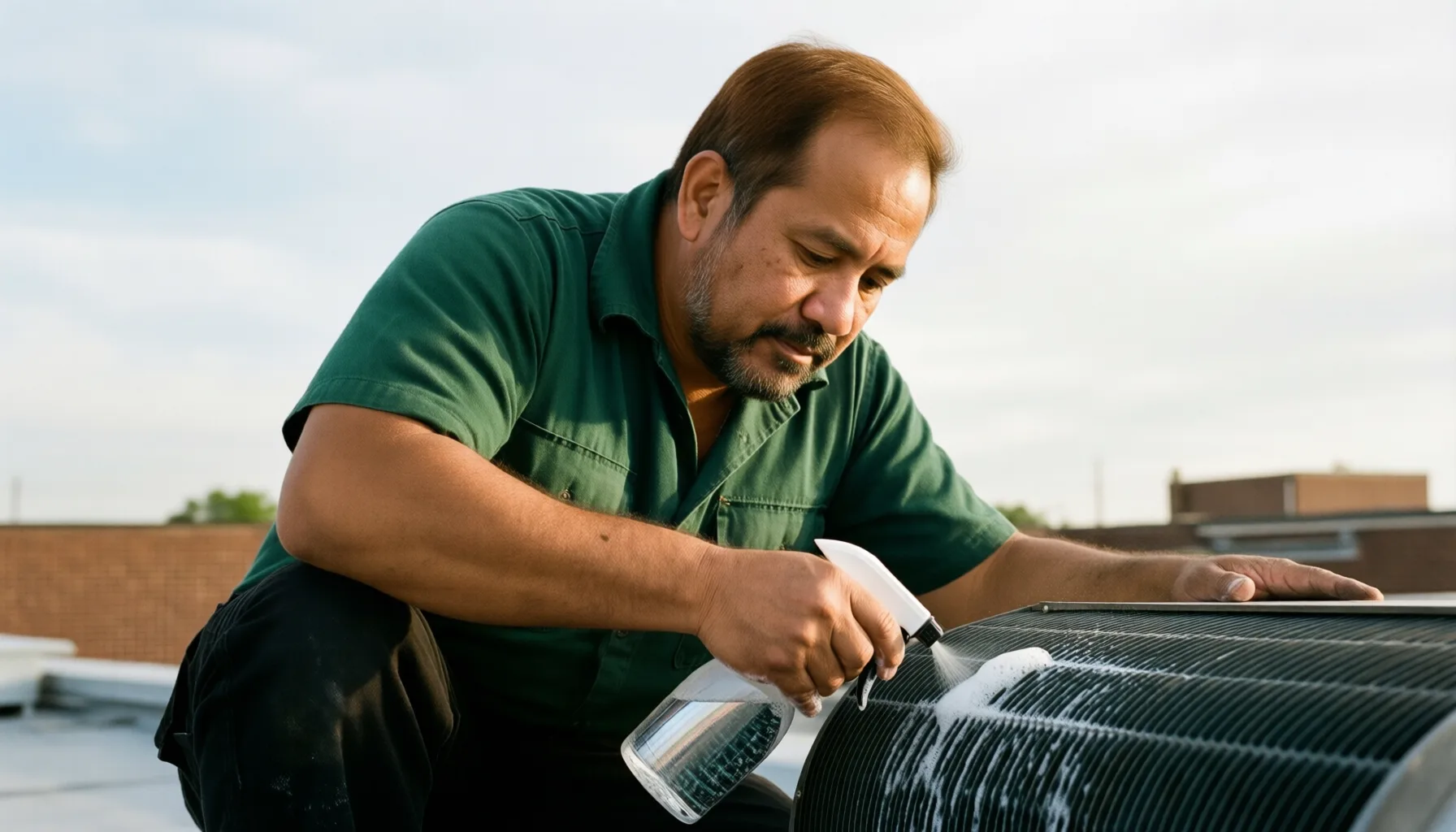
As a Miami homeowner, you know that the sweltering humidity can turn your living room into a sauna in no time. With tropical storms looming every season, air conditioning is not just a luxury—it's a necessity. But what do you do when your AC unit suddenly stops working? Before you call in a professional from HVACNation AC Repairs, there are a few simple troubleshooting steps you can take to potentially get your system back up and running. Understanding how the local climate affects your system can also help you identify what might have gone wrong.
Why This Matters for Miami Homeowners
Miami's climate presents unique challenges when it comes to maintaining a functional air conditioning system. The high humidity levels can cause condensation to build up and damage components, while salt air can lead to corrosion of metal parts. These factors result in increased wear and tear compared to drier climates. Being proactive is key to ensuring your AC operates efficiently and effectively, especially during the months when tropical storms wreak havoc on our region.
Moreover, many homes in Miami are elevated, often with moisture barriers to protect against flooding. This setup can lead to unique AC installation quirks that may require special attention. Identifying these localized problems early can save homeowners not only discomfort but also unexpected repair costs.
Popular misconceptions are that AC units only need repairs during summer months. However, issues can arise any time of the year, especially considering the wear imposed by humidity and salt air.
The coastal environment means that addressing these issues promptly can prevent them from escalating into more significant problems that could take both time and money to resolve. This awareness is a crucial part of responsible homeownership in Miami.
Expert Solutions & Actionable Tips
1. Check the Thermostat Settings
Sometimes the solution is as simple as ensuring that your thermostat is functioning properly. If it's not set correctly or has malfunctioned, it can hinder your AC’s performance. In many cases, recalibrating the thermostat can take only a few minutes and may restore cool air without any cost.
If you suspect your thermostat needs professional help, contact HVACNation AC Repairs and request an inspection that can often be scheduled within just a day.
2. Inspect the Air Filters
Clogged air filters can significantly obstruct airflow and reduce efficiency. It's recommended that filters be replaced every 1-3 months, particularly in humid climates like Miami. A simple check of your filter can save you from costly repairs down the road. Filters can typically be found for $10-$30, depending on the type.
If your air filter is visibly dirty, replace it right away to improve air quality and system efficiency.
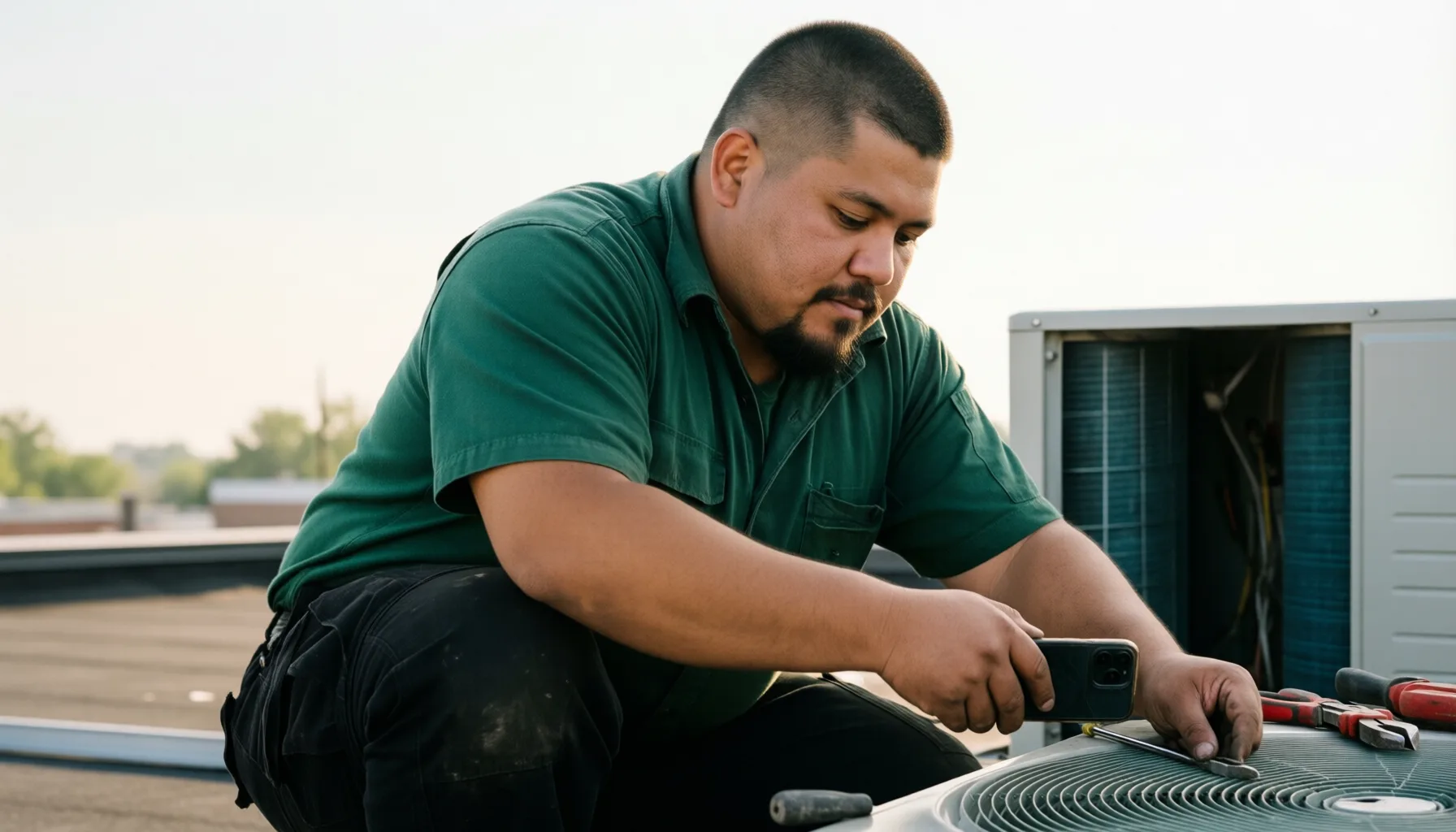
3. Clear Debris from Outdoor Units
After a storm, debris like leaves and branches can accumulate around your outdoor AC unit, inhibiting airflow and functionality. Spending 15-20 minutes to clear this debris can prevent overheating and ensure your system runs smoothly.
Regular cleaning of the outdoor unit is essential, especially in the Miami area where coastal plants frequently shed leaves and other materials.
4. Check Circuit Breaker and Fuses
Unexpected power surges or outages can trip your AC’s circuit breaker or blow fuses. Simply resetting the breaker can often resolve the issue. If you’re unfamiliar with your circuit panel, take a few moments to read your user manual or look up guides online.
However, if multiple resets are needed, call HVACNation AC Repairs to diagnose any underlying electrical issues.
5. Monitor Condensate Drain
A blocked condensate drain can lead to a flooded AC unit, which is particularly problematic in areas like Miami, where humidity levels are high. You can use a wet/dry vacuum to clear minor blockages, but keep an eye out for recurring issues that might require professional attention.
Regular maintenance on your condensate system can significantly prolong the life of your AC unit.
6. Look for Refrigerant Issues
Refrigerant leaks can lead to insufficient cooling and should be addressed immediately. If your unit is not cooling effectively, inspecting for leaks is a quick but crucial step. While DIY methods exist, determining refrigerant levels often requires expertise. A professional evaluation may be needed, and HVACNation AC Repairs can provide this service at a competitive rate.
Addressing refrigerant issues proactively can prevent system failure and costly replacement.
Miami Climate & Local Context
Miami's climate and geography significantly influence the local building stock, which often includes features like elevated homes with moisture barriers. This design aims to fend off flooding during heavy rainfalls and hurricanes, critical for the safety of Miami residents. When it comes to air conditioning, having a dependable system is essential, especially with the salt-laden air that accelerates corrosion.
Local building codes reflect the necessity of accommodating for such environmental factors, stipulating that air conditioning systems must be installed with durability in mind. Homeowners should be familiar with these codes, especially when conducting renovations or installing new units.
When to Call a Professional
While some issues can be tackled as DIY projects, others require the expertise of a professional technician. Knowing when to call in a pro is crucial to maintaining your system and saving on repairs.
- Refrigerant leaks or low levels
- Electrical issues arising from circuit problems
- Persistent drainage issues that cause water buildup
- Non-responsive thermostats after troubleshooting
- Units making unusual noises
- Frequent resets of circuit breakers
If you encounter any of these red flags, don’t hesitate to reach out to HVACNation AC Repairs for an assessment. A professional can often catch issues early before they develop into major repairs.
Frequently Asked Questions
What are common issues with AC systems in humid climates?
In humid climates like Miami, common AC issues include excessive condensation buildup, which can damage components, and corrosion from salt air. Regular maintenance is essential to combat these problems.
How often should I change my air filter?
It's advisable to change your air filter every 1 to 3 months, especially in Miami, given the local humidity and air quality challenges.
How can I maintain my AC unit in a coastal area?
Regular cleaning of the outdoor unit to remove salt and debris is crucial. Additionally, consider using corrosion-resistant materials during repairs or replacements.
What are the signs I need to call a professional?
Look out for signs like fluctuating temperatures, odd noises from the unit, or a sudden increase in energy bills, which may indicate underlying problems needing professional diagnosis.
Should I perform maintenance on my AC unit during the off-season?
Yes, performing maintenance during the off-season is beneficial; it ensures your unit is ready for peak usage periods, particularly before the humid summer months in Miami.
Get Expert Air Conditioning Repair Service in Miami
If you're experiencing issues with your air conditioning, don’t wait for the problem to worsen. Contact HVACNation AC Repairs for prompt, reliable service tailored to Miami’s unique climate. Call us today at (645) 219-1566 to schedule your appointment!
Stay cool and comfortable in your home—let HVACNation AC Repairs keep your AC system running optimally.